It’s Mango Season!

We love mangoes. Truly, if you’d asked us last year, before we came to India, we would surely have told you all about how much we loved mangoes. The very idea of mangoes was one of the lures of India.

One of Melissa’s favorite childhood memories is of her father coming home with a big box of mangoes, so excited to have found them at the store (back in the 70’s when they weren’t always so easy to find in the US), and teaching her how to cut out the pit at an angle, slice the fruit into long strips, and then scrape the flesh off the peel with her teeth (this last bit of the lesson might explain why he was so frequently ill in India).

When we got here, we looked at every street vendor’s cart, eager to buy our first Indian mangoes, but could never find any. We briefly imagined that the tender coconuts we saw everywhere were mangoes, but were quickly corrected. Oh, the disappointment when we were told that we’d have to wait until April for the start of mango season, and that the really good mangoes wouldn’t appear until May!

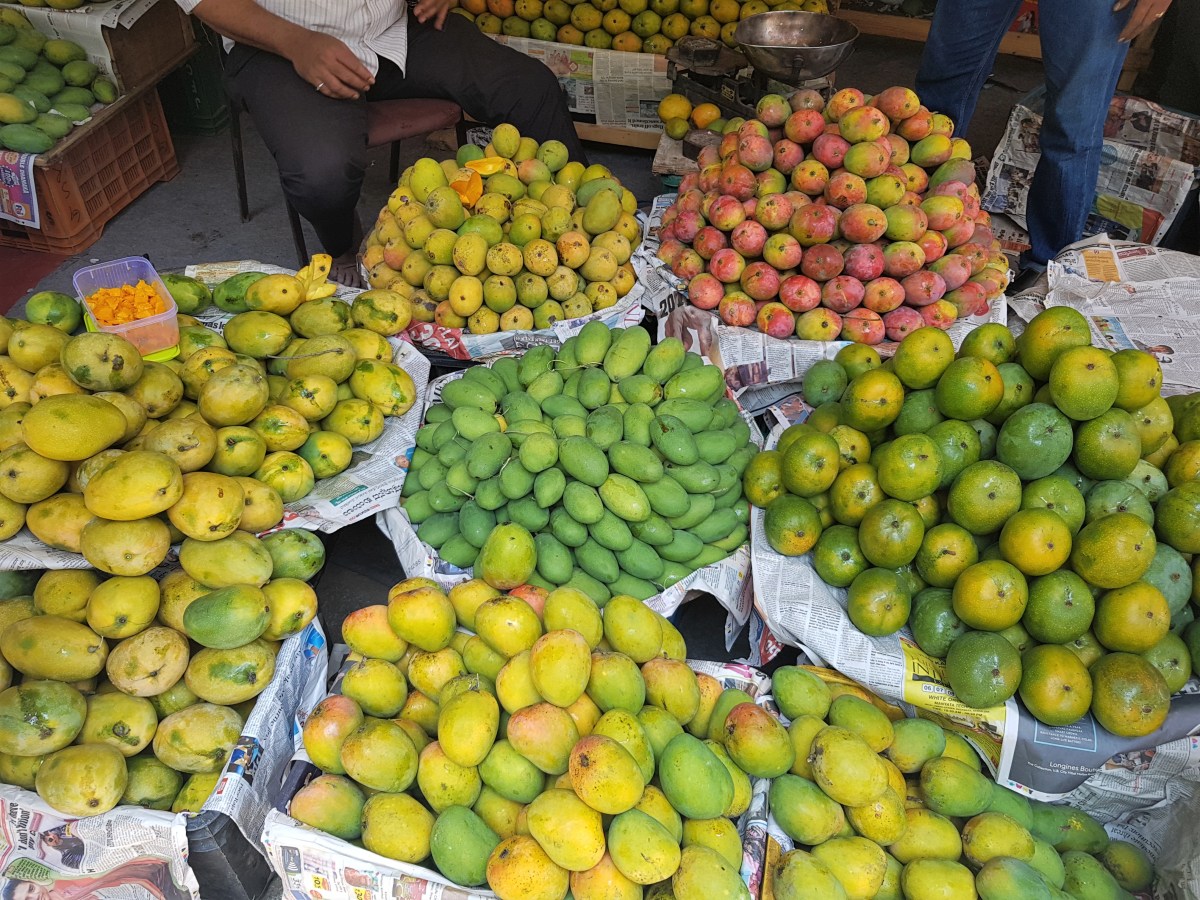
And now they’re here, in all their glory, and entirely worth the wait. In the US, we’re only aware of two kinds of mangoes: the larger, green and red ones with orange flesh that are usually just listed as Mangoes, and the smaller yellowish ones that are usually listed as Champagne Mangoes. In India that are over 20 varietals. Some are tart, some are sweet, and some are both. Some taste so floral that they nearly seem perfumed. Some are large, firm, and dark green, used for grating into salads or making chutneys. Some are so soft that they’re difficult to cut without mashing and they melt when they hit your tongue.

This slideshow requires JavaScript.


Every year, a mango market suddenly appears for the few months of mango season. While every grocery store has a proud mango display with at least six different varietals on offer, the mango market is where you can find at least 20 booths with every single kind of mango and buy them from the farmers who grow them. We were so excited to join a tour of the market put on by Five Oceans because it seemed so daunting that we wouldn’t have known where to begin on our own. With the tour, we got information sheets to describe many of the different types and then had the opportunity to taste 12 kinds. Sadly, we mistook our bite of raspuri for a sendura and failed to win the blind taste test at the end. Shame. We consoled ourselves by buying a big bag of our favorites: Sendura, Alphonso, and Mallika. We have since returned for more of the above plus some Raspuris. It’s our intention to go every week and eat mangoes every day while we can. We hear that we can cut them into chunks and throw them into the freezer to enjoy off-season as well. We’ll certainly do that!

20180513_123612
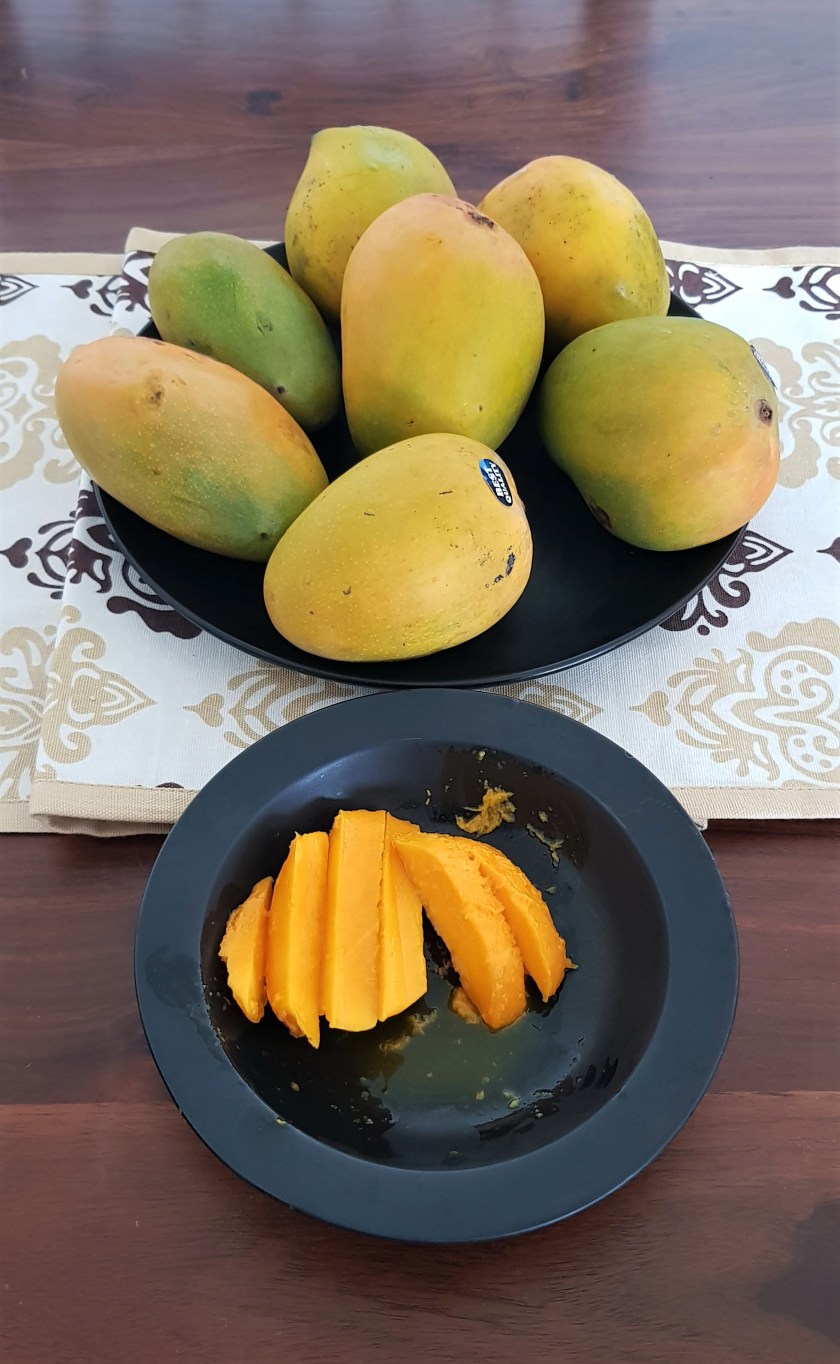
Back home with yesterday’s mango haul and an alphonso mango cut up for snacking.

We learned a new trick to preparing mangoes to add to Melissa’s dad’s instructions. After cutting around the pit and slicing the fruit into long strips, slide the mango along the rim of a glass as close to the peel as possible. It gets every bit of the fruit while avoiding any bacteria on the peel.


A Weekend in Goa

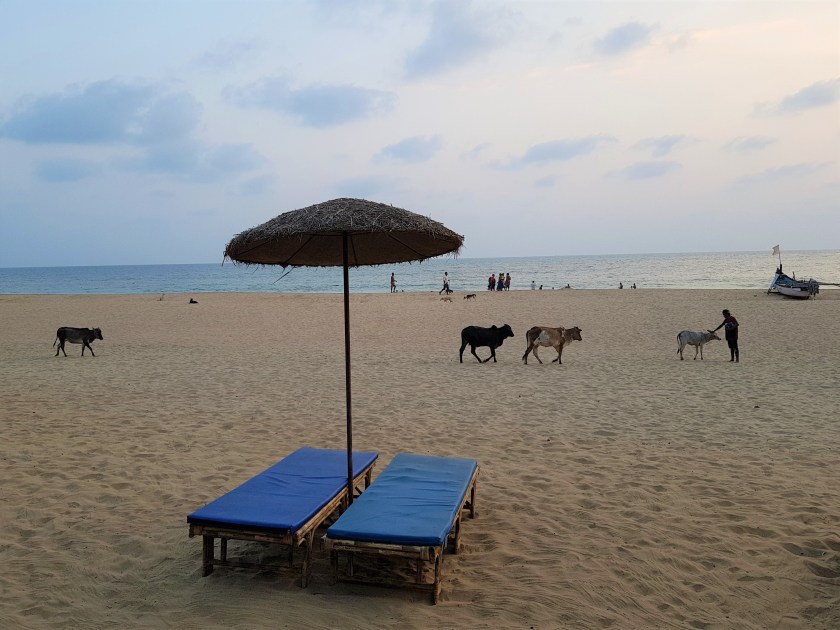
With only one three-day weekend left in Tom’s schedule before summer vacation, we wanted to make the most of it. We’ve been hearing about Goa since before our move to India,  so it’s been on our list for a long time. Part of what we’ve heard, though, is that is has a reputation as a hippie party town. Hanging out with scantily clad 20-somethings who are trying to pick each other up at yoga class before heading for drinks at the pool isn’t really our thing. So we were delighted when a couple different people recommended visiting Agonda Beach in the South of Goa, with a reputation as a sleepy, pristine place to relax. It totally lived up to its billing.

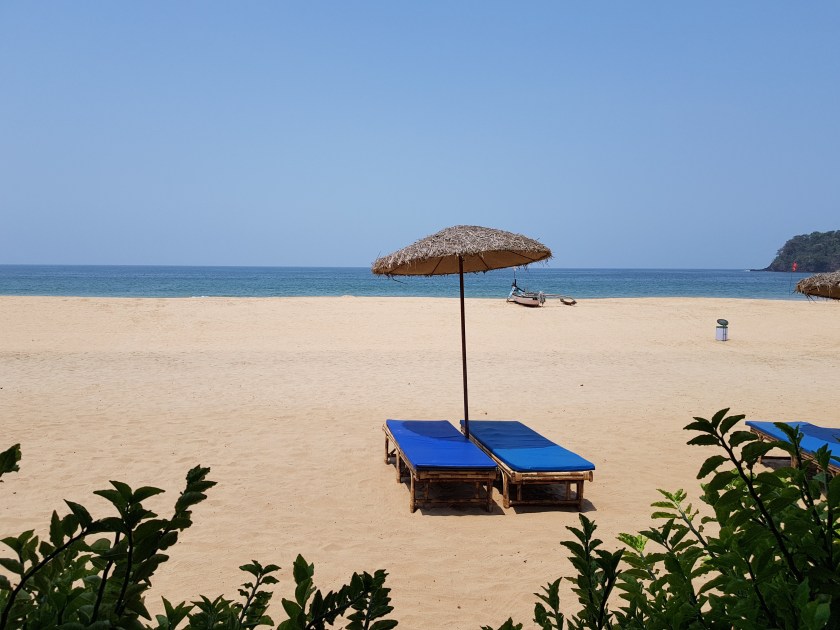
We took a 75 minute flight on Friday night, and returned home on Monday afternoon. While there, we stayed in a beach hut that opened directly to the beach with a private, shady area to recline and read. Most of our meals were enjoyed at the Sea Star Resort restaurant situated right behind our hut, and most of our time was spent reading, walking on the beach, and gazing at the water.  The only other notable moment of the weekend was discovering our friends were staying just up the beach from us, so we were able to have dinner with them one night. Not much to say about a weekend without much activity, so we’ll just let the photos speak for themselves.

20180414_075538
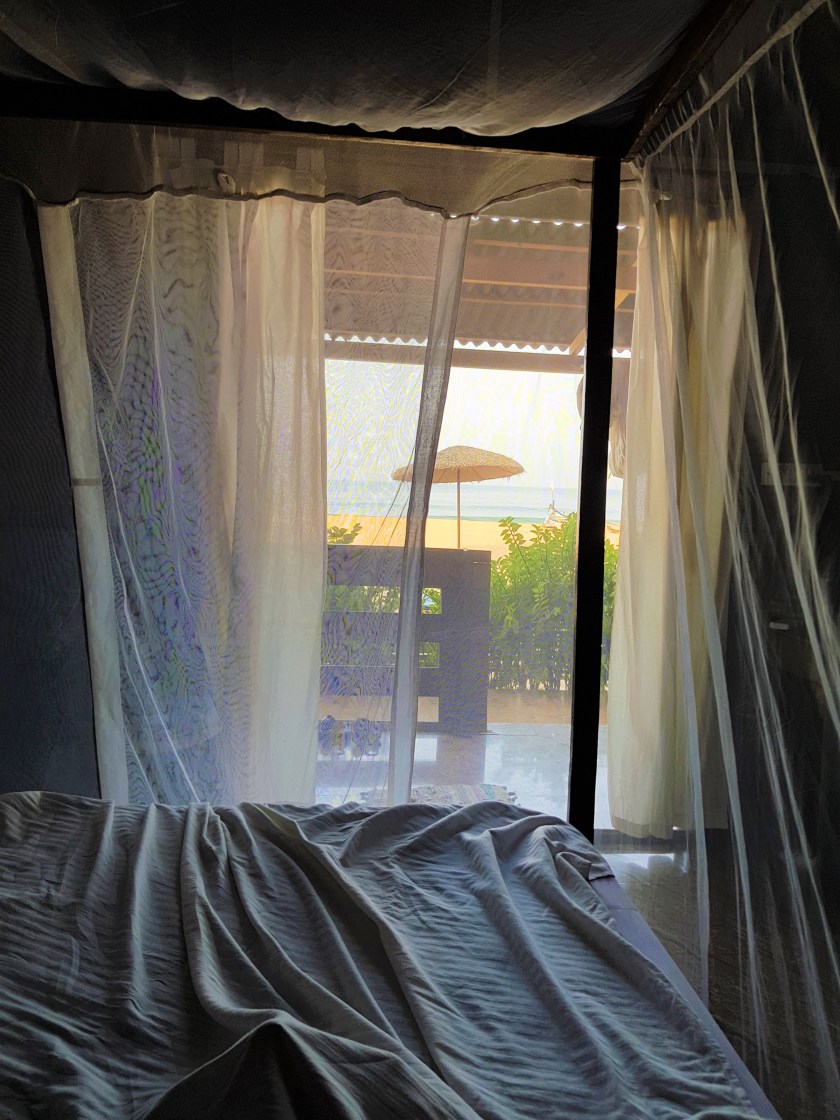
Perfect view through mosquito netting
20180414_113607
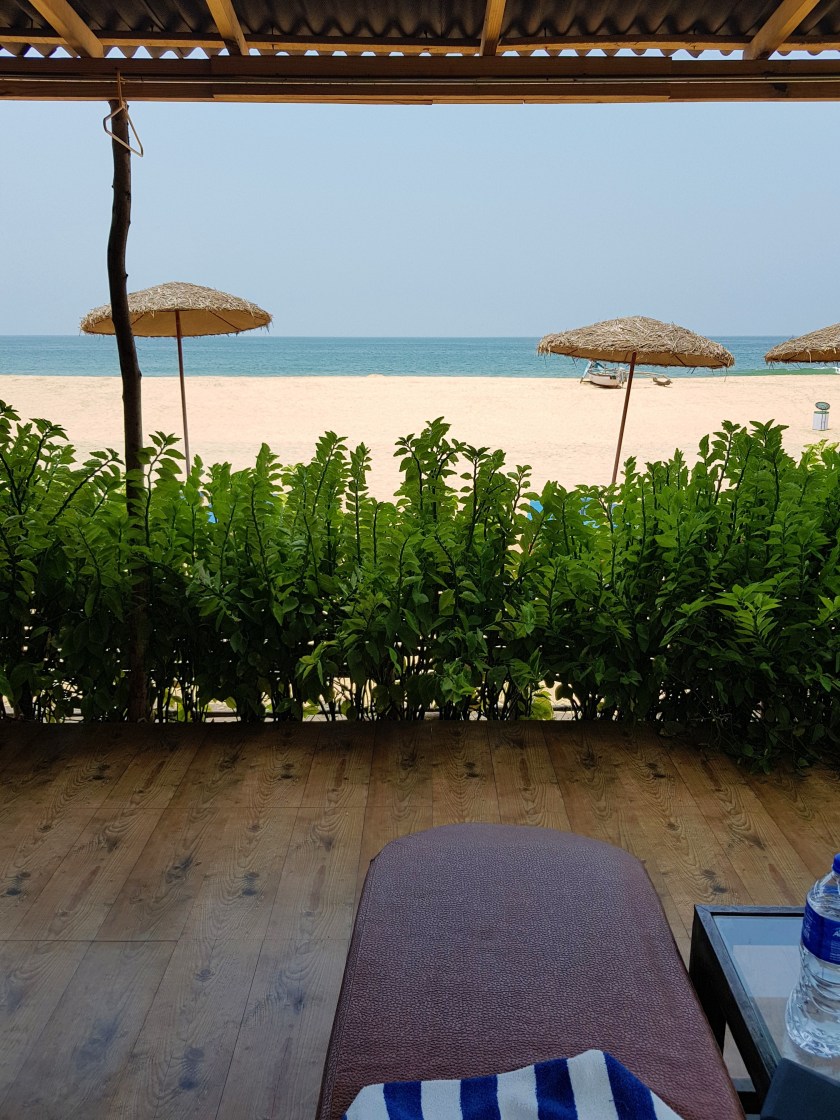
Beach view from our private chaise lounges
20180414_183434
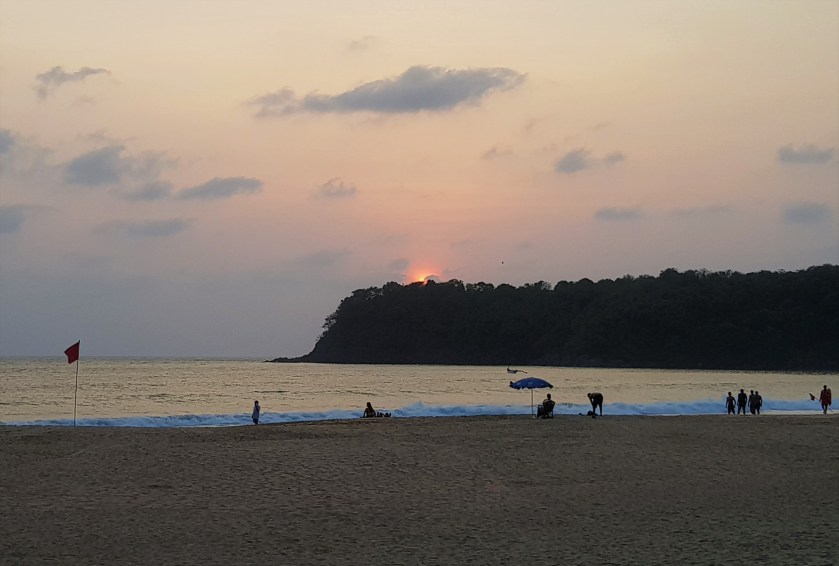
Sunset comes to Agonda
img_0556
The beautiful sunsets deserve two pictures.
img_0546
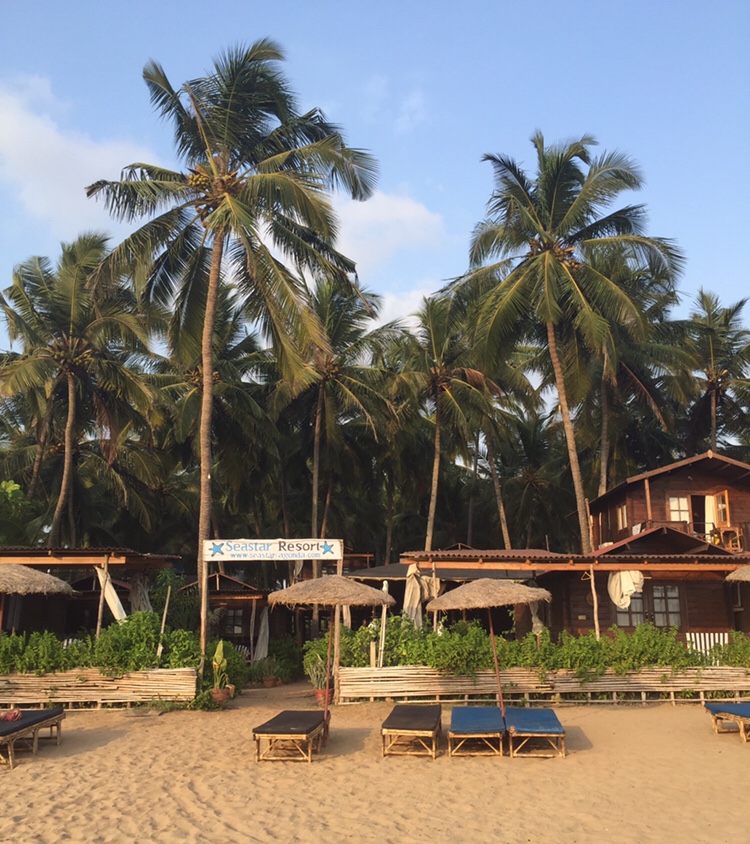
Our hut is just to the right of the sign.
20180414_113625
Beautiful beach view from our deck
20180415_182223
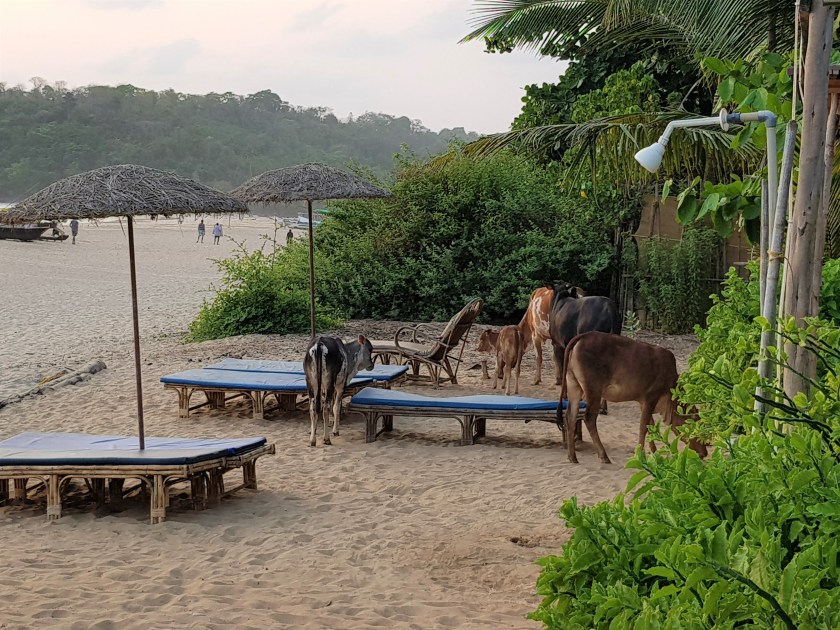
Beach cows (and babies!) wander near our deck
img_0550
Friendly gecko visited us for breakfast.
img_0557
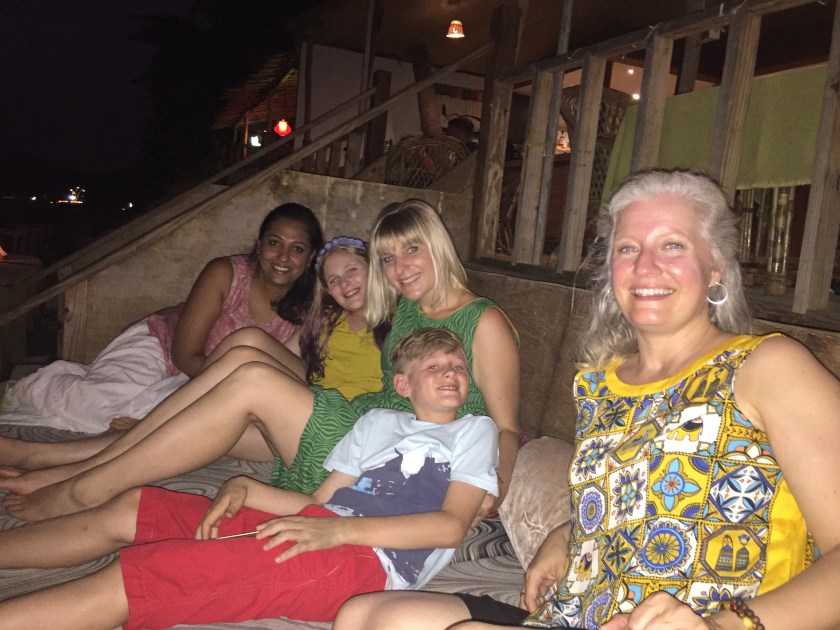
It’s not a great picture of anybody, but dinner with the Bergstrands and Kirti.
20180416_124823
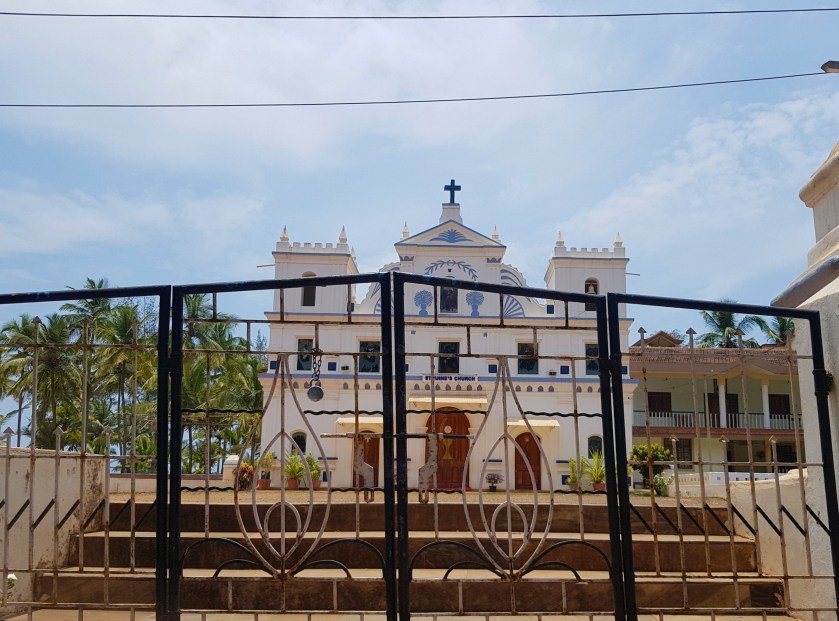
Lovely old Portuguese church
20180414_183611
Boy greets beach cows
20180416_101904
Big, quiet beach

New Home!

When we arrived in India at the end of July, the Canadian International School had an

20180407_093753
Nagarjuna Meadows view through monkey netting

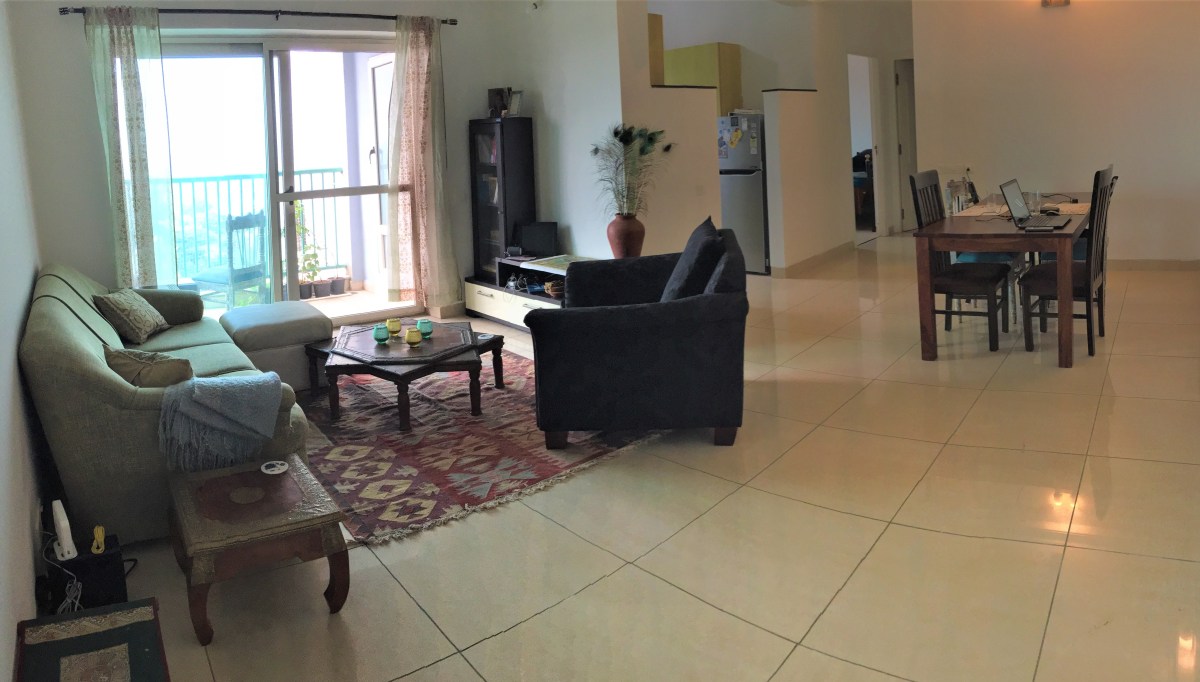
apartment waiting for us. It was a great comfort to have such an easy transition. And Nagarjuna Meadows had many wonderful perks: it was close to Tom’s work (until the fence was patched and construction projects started, he had a 25 minute walk to work), lots of CIS teachers lived there so we had instant community, the grounds were really lovely, and Melissa enjoyed daily yoga in the club house for 1000 INR/month (about $15). It also had some deficits: the neighborhood of Yelahanka is in the far north of Bengaluru (which is convenient for the airport and absolutely nothing else); the gym equipment in the clubhouse was old and often not working; our apartment windows looked directly at another, taller building so we literally couldn’t see the sky while inside; and a crack on the outside of the building made mold crawl up our walls in the rainy season. We wanted to move.

In November we started dreaming about a move, in January we started looking in earnest, and on April 7 we actually moved. Things may move slowly here, but they do
move. Our new home is that dream come true. We are now living in an area called Malleshwaram West, adjacent to Malleshwaram, a neighborhood Melissa fell in love with on one of her tours with Five Oceans.  Our apartment complex is part of a larger complex20180413_102608 that includes the World Trade Center, the Sheraton, and the Orion Mall, all arranged around a lovely man-made lake with a huge tree and evening fountains. We now have easy access to movies, delicious restaurants, a grocery store, and, one of the great rarities in Bengaluru, a wine store with a stable, cool temperature. We also have the neighborhood of Malleshwaram with its markets and temples and local charm just a short walk away. And we have a metro stop just a block away – on the clean and pleasant metro, we can get anywhere around downtown.

Everything about our new space is an improvement. Before moving to India, we thought we needed a separate guest room and office, but it really meant that we never set foot in one of our rooms. With this move, the guest room is also the office, which works great for us. Our 2-bedroom/2-bath home is smaller but more appropriate. Particularly now that we can take advantage of our outdoor space.

This slideshow requires JavaScript.

Oh, the balconies! Instead of sitting on a deck where we were staring at a humongous building that we could barely see over the solid railing (we never did this – that is not a

20180407_130355
Our view from our balcony through the pigeon netting.

pleasant thing to do), our 16th floor balconies in the living room and bedroom now look out over all of Bengaluru. There is a constant breeze, and very impressive birds (hawks? eagles?) are constantly circling just off our decks. At night, the city lights are beautiful, and last night we even watched fireworks in the distance. We have new outdoor furniture and anticipate spending many evenings emulating our good friends and Portland neighbors Jim and Shirley, sitting outside with a glass of wine and soaking in the world.

We just keep grinning at each other and saying, “This is where we live. I love it here so much!” Sure, there will continue to be challenges, but we’ll weather them much more easily from this new happy haven.

Side notes:

As an added bonus, our friend Kaveri gifted us some of her less-used furniture. It is simply lovely and far more comfortable. We were able to sell back the furniture we bought in our first few months here, and the rest of our unused furniture belonged to the school, anyway, so they were able to pick it up and store it for the next batch of new teachers.

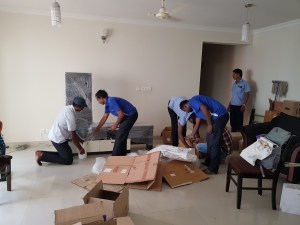
The move was made all the better by the school and the crew of bus drivers who came to move us. They came with two small (by American standards, pretty big by Indian20180407_090332 standards) trucks and a crew of eight. They shrink wrapped all of our furniture to move safely, and, despite the stop at Kaveri’s house, had us completely moved in by around 2:00, leaving us time to feel close to unpacked by the time we went out for our celebratory dinner at Indian Kitchen in the courtyard outside the Orion Mall. Using the CIS drivers also meant that the process of planning the move was handled primarily by our facilities manager Prem, who handled so much of the weird beauraucratic snafus that we had almost no worries going in to the day.

The thing about Yelahanka is that the potential is there. The town is clearly a victim of Bengaluru’s rapid, unplanned expansion. A good example is New Town, the portion of Yelahanka nearest that first apartment. It was once a really well planned community — the roads are laid out in a fan, with a school at the center. There are green spaces throughout, and every service one might want is there. The older part of Yelahanka, once you get of the highway built for the airport, is also a cute community focused around textile mills, a train station, and the main gate to the lake. Unfortunately, most of what we experienced was the highway and its piles of garbage and terrible and nonexistent sidewalks. It took an effort to get to the cute parts, and when we did, it only served to remind us that we were not fulfilling the potential of this amazing city.


Spring Break in Assam!

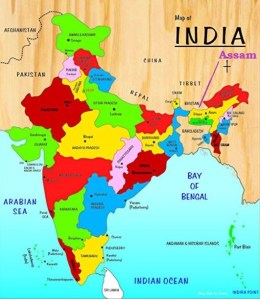
Assam is a state in Northeastern India where a cluster of 7 states jut off fromUntitled the diamond of India, bordered by Bhutan, Tibet, China, Myanmar, and Bangladesh. The language sounds different, facial features are different, and the culture is different (women fare far better here than in many parts of India). The dress looks very similar, however, and, while there are local delicacies, the food is also quite similar. We chose Assam in an effort to see something special while escaping the summer heat closing in on much of the country. We also wanted to take a shorter trip for spring break since we were planning to move soon after. From the time we touched down mid-morning on Sunday to the time we left on Thursday afternoon, we were nothing but happy. Assam was amazing.
We spent our first three nights at the Diphlu River Lodge on the border of Kaziranga National Park. This meant a 4 hour drive from the airport, along twisting roads lined by farms and rice paddies with mountains in the distance. We were excited, and the vistas were beautiful, so the ride flew by.

Diphlu River Lodge was a dream come true – our cabin was one of 12 luxurious cabins on stilts surrounding a central rice paddy with a gazebo in the middle where we could recline with good books or a deck of cards (we did both). The property overlooks the Diphlu River which feeds into the mighty Brahmaputra River. The building where we ate all our meals is called The Machan. This is also where we also played cards in the evening while drinking wine and looking desperately for wild animals on the opposite shore (we only saw non-wild cows). The food was definitely mellowed for the delicate international palate, so we found it a bit bland but perfectly fine. The best part was that they arranged all of our activities (safaris and boat trip) each day and handed us a schedule over dinner each evening that began with the time for our wake-up call. No decision fatigue for us. Overall, we would recommend Diphlu River Lodge whole-heartedly.

This slideshow requires JavaScript.

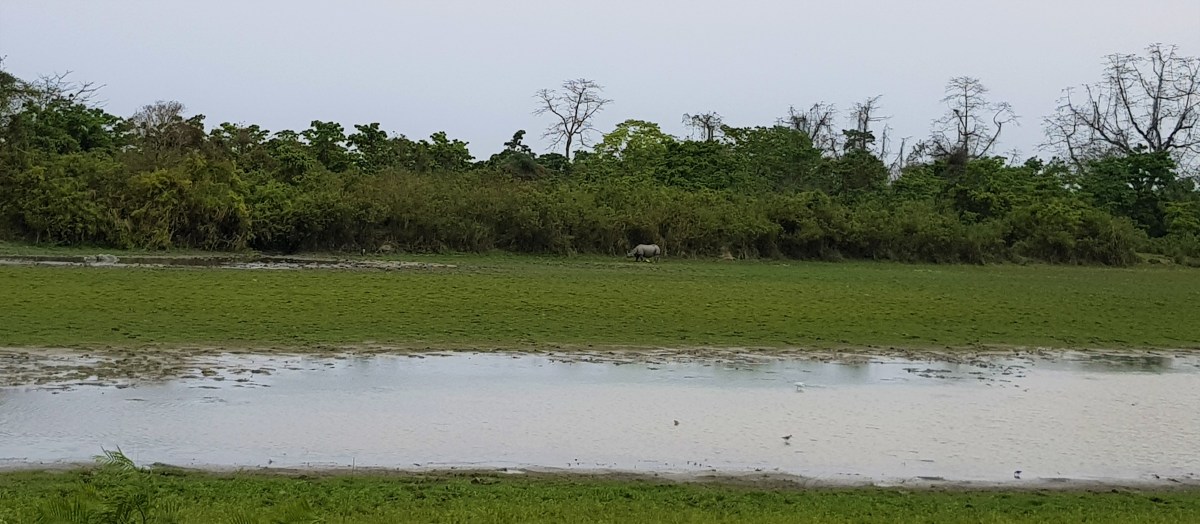
Kaziranga National Park is the home to two-thirds of the world’s 3,500 one-horned rhinoceroses. While we were there, a census found that that population has increased by 12 in the past three years despite floods last monsoon season that didn’t do right by the rhinos. The population is up to 2400 from a few hundred in the mid-1970s. The park is also home to several other endangered species, including the Bengal tiger, Asiatic water buffalo, swamp deer, and Asian elephants, among many others. We had an amazing time exploring the park and all of the different facets.

Our tour of Kaziranga took place in three phases. On Monday, our choice was limited

hornbill
Great Hornbill – it’s huge!

because of the rhino census taking place in the park. The only part of the park that was open was in the far eastern section, a part of the park most known for a wide range of bird life. We never knew so many types of storks and herons and egrets existed. We saw wild parakeets, hornbills, and four types of kingfishers. We saw owls and eagles and vultures. Our guide Anuj, who stuck with us for all three trips into the park, seemed particularly excited and knowledgeable about the birds. He was able to spot all kinds of varieties of species while other jeeps kept speeding by. It was breathtaking.

On that first trip, we were so excited to see elephants and rhinoceroses in the distance, little imagining what was in our near future. Then came our second trip. On Tuesday morning, we went to the Central section of the park, where we saw elephants up close, along with hog deer, swamp deer, buffalo, and, yes, rhinoceroses. One crossed the road between us and the jeep in front of us, turned and eyed us trying to decide if he should charge, and moseyed off. Wow.

Then on Tuesday afternoon, we visited the Western section of the park, where we couldn’t believe the numbers of animals we saw. Our cameras were not quite up to the task, so most of our pictures look like big landscapes with small, uninteresting smudges. You’ll have to just take our word for it when we say that it was magnificent.

This slideshow requires JavaScript.

It was clearly spring in Assam because there were baby everything! Baby elephants, baby buffalo, baby deer, and baby rhinoceroses. When we weren’t in the park, we saw baby cows, goats, and pigs lining (and sometimes filling) the road. Melissa was in heaven.

On Monday afternoon, we took a break from Kaziranga and went on a boat trip down the Brahmaputra river. The Brahmaputra is huge, running through China, Tibet, India, and Bangladesh. In fact, it’s the tenth largest river in the world, and there are some parts of Assam where it’s actually 20 km across! It was so beautiful, but so easy to imagine the destruction it causes when the monsoon hits each year.

On Wednesday morning, we decided to skip the village tour and the orchid garden so we could take a morning to sleep in after three early mornings in a row and just enjoy the beautiful grounds of our hotel. It was a bit sad to leave at 11, but we were looking forward to exploring Guwahati, the capital city of Assam and we had a 4 hour drive ahead of us to get there.

In Guwahati, we stayed at the Baruah Bhavan Guest House, a truly lovely spot. The guest
20180329_085556
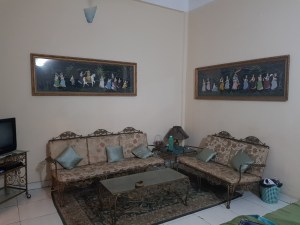
Sitting area in our room

house is fully furnished with charming antiques, and staffed by kind and helpful people. And the location can’t be beat – we were just a couple blocks from a walk along the banks of the Brahmaputra. Guwahati feels entirely different from Bangalore. The buildings are old and ornamented, and somehow reminded us of New York. We walked a lot and took in as much as we could, although we were challenged by the air quality. Melissa had a sore throat and we both had gritty teeth after a few hours of walking around. We were saddened to then read that the charming city of Guwahati has one of the highest black carbon pollution levels in the world. We couldn’t resist the urge to get back out and walk around some more the next day, but we were happy to spend some of our time indoors at the Assam State Museum. A highlight of our walk was a visit to the Kamakhya Temple high on a hill. We didn’t want to the spend the 2-7 (!) hours it was likely to take to get inside so we contented ourselves with a walk around it, which gave us an interesting glimpse into the narrow, curving walkways of the neighborhood.

This slideshow requires JavaScript.

By the time we were heading to the airport, we were ready to return to the relatively clean air of Bangalore, but still blissfully happy with our Assam trip. It was a wonderful spring break!
 

Tom’s Tales: My last walk home

This weekend, Melissa and I are taking a huge step toward improving our day-to-day lives in Bengaluru. We are moving from Yelahanka, almost as far north as you can get and still call yourself in Bangalore, to Malleshwaram, nearer downtown, right on the Metro, and past a notorious bottleneck. More on that later, after the move. Yesterday, I took my last walk home, which is, along with our friends we made at NCC, one of only two things I will miss about the move.

I wrote about the walk to and from work earlier in our stay. The walk has changed many times since then. Most significantly, I quit walking to work in the morning. The hole in the fence was closed and reopened and closed again and a new hole opened up. The little farm stopped being part of the walk, first thanks to monsoon inspired mud and then construction. The end result was that it went from a 20 minute bit of bliss to an hour and fifteen minute, at times contentious little slice of India.

img_0027
A random celebration just outside the park in one of the villages. Note the god in truck in the background.

What I appreciated most about what my walk turned in to was how purely it represented India as we’ve experienced it. It was beautiful, with the lake and its birds, the trees, the greenery, and everything. It was also stinky, with occasional toxic spills in the lake and the constant sewage-filled stream that feeds it. The people along the way could be stubborn and unreasonable, especially the guards, whose sole duty it seemed was to stop the very reasonable act of cutting through the fence to the village near our place, but most of the people were kind and wonderful.

The longest route I was forced to take took me through two little neighborhoods with adorable children, with smiles and eyes that simply lit up their faces. People along the walk were always friendly, making small talk, showing off as much English as they could muster, and asking how my vacation was when they noticed I hadn’t been through in a while.

I didn’t see most of the regulars on my last walk yesterday, which is probably for the better. I probably would have done something weird on what was just an average day for them.

I’m also going to miss the occasional times I got to walk home with some of my colleagues. Ashi and Elsa tried to make a point of walk-in gone fairly regularly, though I usually walked later than them. One time I walked home with Craig and Ivana. It was always such a nice way to catch up with some really great people.

It has been fun to watch the workers beautify the lake. It is one of several that the city has built to try to fix some of the paving over of so many of the green areas. Since I’ve been making the walk, all kinds of trees and flowers have been planted and the lake shore has been cleaned up. On the other hand, since this is the land of contradictions, just over the fence in a couple of places there is some pretty major development happening.

The longest version of the walk also sent me on that stereotypically Indian thing of

img_0001
Baby Donkey!

waking down the train tracks. While doing so I also came across baby animals of all kinds: baby goats, baby donkeys, puppies, chicks, calves, and probably cutest of all, little baby piglets.

If you want to see more photos of my walk home, I frequently posted them on our Instagram page, wellserton_wanderings.

I’m going to miss my little walk every day. I’m trading it in for a bus ride with cute little sleeping kinders because so so much of our lives are about to get better.

Sunset to Moonrise Soiree at Soma Vineyards

20180331_165035Many of the Five Oceans Club events that we’ve attended have had a cultural focus (Melissa has toured a downtown slum and the temples of Malleshwaram, and attended workshops on the cultures and traditions of India and the history that has made it the way it is), but they also host fabulous social events like the one we attended this weekend. Soma Vineyards opened its doors to about 40 Five Oceans members for the Sunset to Moonrise Soiree and it was absolutely lovely from start to finish.

img_0074
Darby, one of our charismatic hosts.

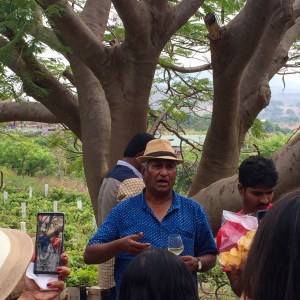
Our hosts, in addition to Five Oceans’s wonderful cofounders Kaveri and Neha, were the co-owners of Soma, a couple of entertaining characters. Darby talked wine with us, imparting such wisdom as the notion that whiskey, rum, and vodka are for drowning sorrows, but wine is for celebration. His passion for what he does was evident in everything he did. Paul Topping is British by family, African by birth and upbringing, and Sri Lankan by dint of living there for 20 years. In between, he spent a good amount of time in India where he hooked up with Darby to start Soma. He was there primarily for the launch of his brand new book, The Whinging Pome, a collection of his whimsical essays about his life of travels. One rule of travel we might just have to adopt: never walk by an Irish Pub; always go in.

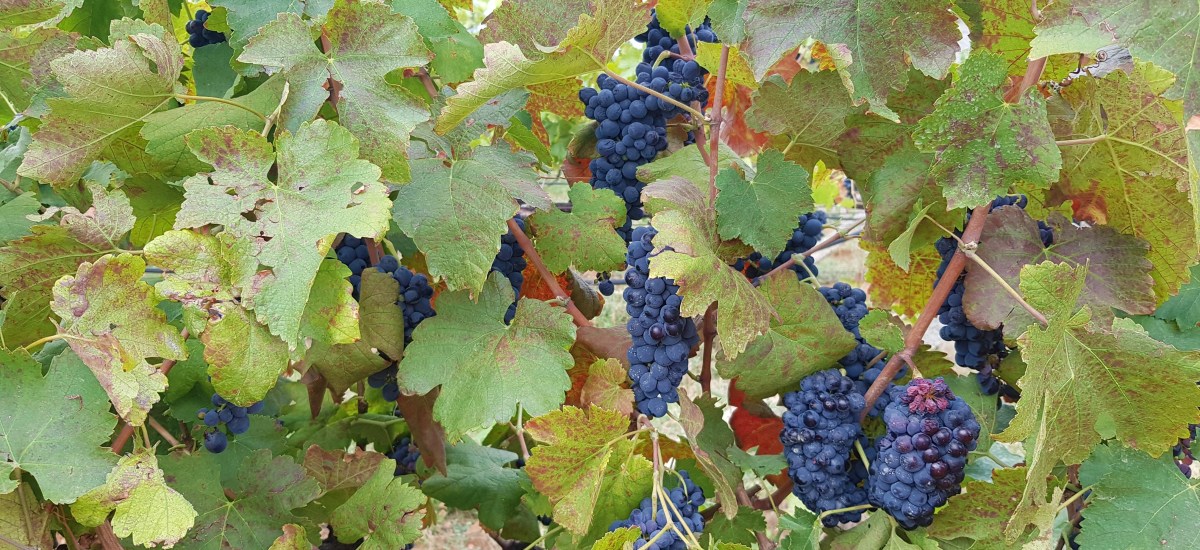
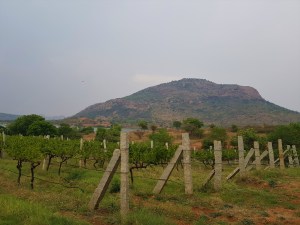
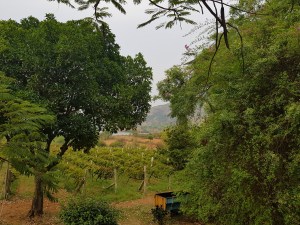
Soma Vineyards is just over an hour from our home in the north of Bangalore, but it feels like another world. The last bit of the drive was over bumpy dirt roads, past rows of grape-filled vines, finally leaving us at the top of a hill with a gorgeous view, completely unobstructed by development of any kind. The vineyards are nearly pesticide free because their position at the top of a hill overlooking a lake would mean that pesticides would kill the fish upon which the  local villagers depend.

20180331_171109

Good relationships are important, so they are very conscious of how they care for their crops. For now, we enjoy their grapes in the wines of Grover Winery, including Grover La Reserve, one of our favorites. Soon though, Grover will be looking elsewhere for grapes and Soma will be bottling their own wines.

We toured the vineyard and learned about the terroir before stopping at a beautiful spot

20180331_170332
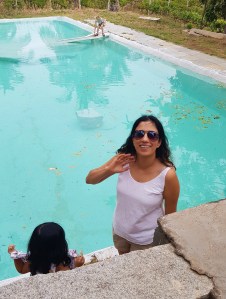
Our friend Kaveri prepares her daughter to swim

near a natural, uncholorinated pool used for both swimming and irrigation. There we had some nice chips and cheeses paired with a sauvignon blanc. Then to the Sunset deck where we watched the sun go down while sipping rosé paired with papdi chaat, samosa chaat, and spicy vegetable dumplings. As it started to get dark, we all moved to the Moon deck, illuminated by tinkly lights, where we had dinner paired with Shiraz, while being serenaded by some talented teenagers.


This slideshow requires JavaScript.

It was a perfect evening that we hope to recreate in the future with local or visiting friends and family.

Melissa’s Musings: International Women’s Day

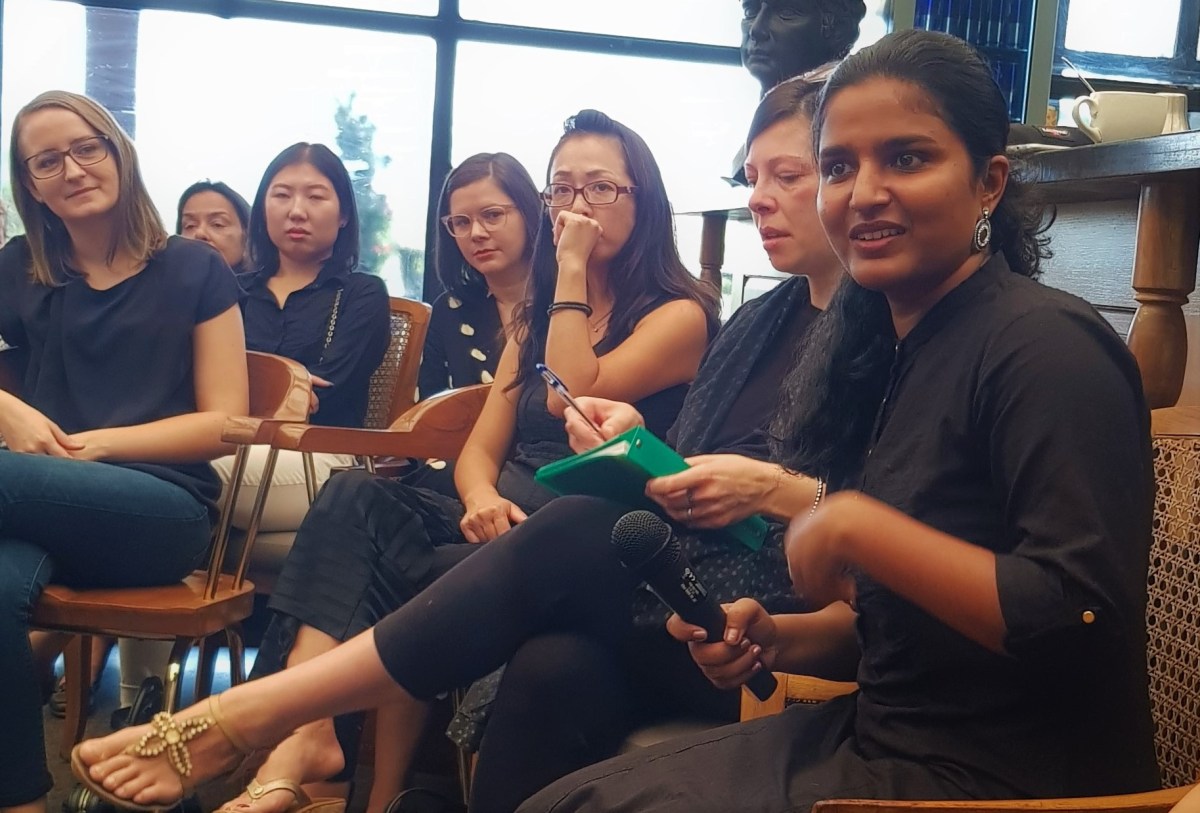
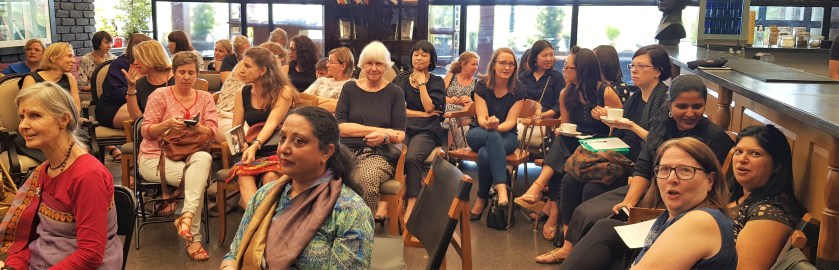
Shilpa Raj is an incredible young woman. As the speaker for the Overseas Women’s Club’s International Women’s Day celebration, she absolutely captivated a room full of people. I wasn’t in on the planning, but I’m sure there was no hesitation about planning the celebration around her schedule, even when it meant celebrating a week after March 8. Shilpa candidly told us all about her experience growing up in India, straddling two very different worlds.

IWD 2

In one world, the world of Shilpa’s birth and of her family, girls are not valued and female infanticide is not uncommon. A girl is expected to drop out of school at adolescence and marry the man of her family’s choosing, most likely an older relative like an uncle. Failing that, she might be expected to sell her body to get by. She is not expected to find joy in her life, but merely to survive and ensure the survival of her children through any means necessary. She will likely face abuse from her husband, endure back-breaking work, and suffer malnutrition.

In the other world, the world of Shanti Bhavan and the people who raised Shilpa, girlsShilpa are empowered and pushed to excel. They know that they are as capable as the boys around them, and that they can accomplish anything they set out to do. And just as importantly, the boys know it too. Marriage is something the girls of Shanti Bhavan can consider on their own terms and on their own timelines, should they choose to consider it at all. But first they can discover their own passions and chase their own dreams.

This is not to say that girls in Shilpa’s village are terribly constrained while the girls of Shanti Bhavan live lives of total freedom. Shilpa and her classmates were all raised with a solid understanding of their responsibility for their families, for their communities, and for the changing culture of India. Sure, they can pursue their dreams, but their dreams must include high paying jobs that will allow them to put their siblings through school, care for their parents and grandparents as they age, provide services to their rural villages or urban slums, and provide financial support for Shanti Bhavan as well. Shilpa is only 24 years old and she wears this blanket of responsibility with pride, even if it is a bit heavy. And she wears it with love.

Having narrowly escaped a wedding with her mother’s younger brother, marriage is the furthest thing from Shilpa’s mind. As baffling as her parents find it, she continues toIWD 1 pursue more education. She intends to become a clinical psychologist, able to support children like those in her village, who have experienced trauma and suffer depression. Her younger sister’s suicide at 14 is a constant and painful inspiration for Shilpa. In her memory, she will make a difference in the world. She shares her story in presentations around the world, and in her book, The Elephant Chaser’s Daughter.

When asked if she enjoys presenting, Shilpa says, “I love it. I have a voice. So many women here have no voice at all. As long as I can speak for them and for myself, I have an obligation to speak.”

As an American woman in India, I am always aware of my privilege. I cannot live here without embracing a call to make a difference. Many people in India are doing beautiful and important work, running orphanages, caring for people with disabilities, teaching the children of construction workers who would otherwise grow up without school at all. I applaud them all, but Shilpa and her classmates inspire me like no one else has. They and those who come after them will change India, proving that there is no such thing as an “untouchable child,” that everyone has potential and gifts that should be nourished. And they will succeed professionally, driving change for their communities and touching the lives of countless people as they grow.

To learn more about Shilpa, please read her beautiful book: The Elephant Chaser’s Daughter.

To learn more about Shanti Bhavan, you can read my blog post about my visit and watch the gorgeous netflix documentary:  Daughters of Destiny

If you’d like to support the work of Shanti Bhavan, please take a look at our fundraising page.

Let’s help Shilpa and her classmates change the world.

Tom’s Tales: What’s the Difference?

This has not been a banner year in my teaching career. Noteworthy, sure. I moved from a low income suburban American public high school to a private international school in Bangalore where I literally have a prince in class. It’s been extraordinarily noteworthy. It’s also been rough. I’ve had to rethink a lot of assumptions I’ve held dear about myself as a teacher. Things have gotten better as the year has progressed. During the first several months I made noteworthy mistakes every single day, from huge, where I misunderstood the scope of an exam I was supposed to have given (one of my greatest headaches of the year and one I’m still convinced I was not the only one in the wrong but was the only one who paid a price), to smaller mistakes like misplacing stuff that would have been more forgivable if not for the other, more major issues.

While I’ve gotten better, there are times it still feels like I’m back in my first year of teaching. One thing that has helped is that I’ve started to put the many things that have been foreign to me in easy to digest categories: IB vs. AP, IGCSE vs. teacher-controlled curriculum, private vs. public, Indian vs. American, wealth vs. poverty, International School vs. neighborhood school, and, finally, figuring out the unique culture of any school one might join.

img_2446
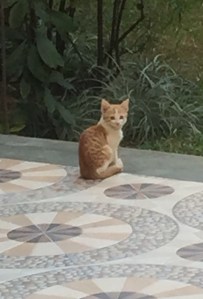
Sometimes, in the middle of all the stress, one of the feral kittens runs through.

What really threw me was the vastness of the gulf in each one of these categories. In 18 years in Beaverton, I taught in three different schools with seven different principals. In each school I took pride in teaching whatever was thrown at me, from college classes to literacy labs, from fairy tales to literature of protest, from 8th grade sex ed to AP Language. I taught whatever I was asked to teach whether I thought I was ready for it or not. Journalism is a great example. Now I think back on it as one of my top few experiences of my career, but I was asked to take over an award-winning newspaper in my third year of teaching when no one else wanted to even though I really wasn’t qualified. In part because of all of that, I came in to this year thinking I would be able to roll with whatever was thrown at me.

Unless you have a billion dollars and a news network telling you you can do no wrong, misplaced confidence tends to bite one in the ass pretty darn quickly. I think the adjustments are starting to come, though. I’ll try to break down some of the adjustments I’m trying to make:

IGCSE is a prescriptive, exam-heavy curriculum that is almost the opposite of what I love about curriculum-building. Some of the writing for which the kids are held accountable penalizes critical thinking, and the literature seems designed to make kids hate reading. But it’s what I have to teach. Mid-year, I instituted a choice reading program in class without the classroom libraries enjoyed by my Beaverton colleagues. I had to do something to remind kids that reading is fun. I’m now trying to establish a system where we practice the IGCSE-required writing using the choice reading books, so they can practice those skills while having fun exploring their books. My first go at it resulted in two of my students writing an encounter between Hazel of Fault in Our Stars and Peter Rabbit of Peter Rabbit in the poetic form of Peter Rabbit. I see promise. I also submitted a request to purchase 115 books for a nascent library to make the system real. Finally, I have visions of next year connecting them online with the students of one of my fabulous Aloha colleagues (yay Nichole!).

CDDC7F46-7166-4D8F-87D4-28862ECB6053
Socratic Seminar

I don’t help myself with the stress. I have some of the same old self-imposed challenges — procrastinating the grading, speaking my mind a little more freely than I probably should, letting my shyness keep me from talking to as many people as I should, and some other stuff. I’m trying, though. I feel like I’ve started to get my feet back under me. Maybe I’m not yet the teacher I was that made me so confident (maybe I never was), but I’m starting to make my classroom my own and teach some of the things I want to teach the way I feel comfortable teaching them. I’m getting out of my classroom a little more to talk to a more people. I’m hoping this summer I’ll have the wherewithal to plan my stuff next year to start at least where I am now rather than continue to be challenged.

The Bengaluru Service Jam

This weekend, we got thoroughly out of our comfortable rut and participated in something new and crazy: The Bengaluru Service Jam. Bengaluru was one of over 80 cities around the world forming teams to spend an intense weekend exploring big issues using a design-based approach. Nope, we had no idea what that meant, either. We also had no idea how many people would attend, how old they’d be, or what kind of problems we’d tackle. Melissa thought, “Ooo. We’ll be improving social services in Bangalore.” Tom thought, “I’ve been saying that we need to do something new and exciting on the weekends; it’s about time I powered through my ennui.” It’s probably for the best that we knew nothing – with a little more knowledge, we might have skipped it and really missed out on a fascinating experience.

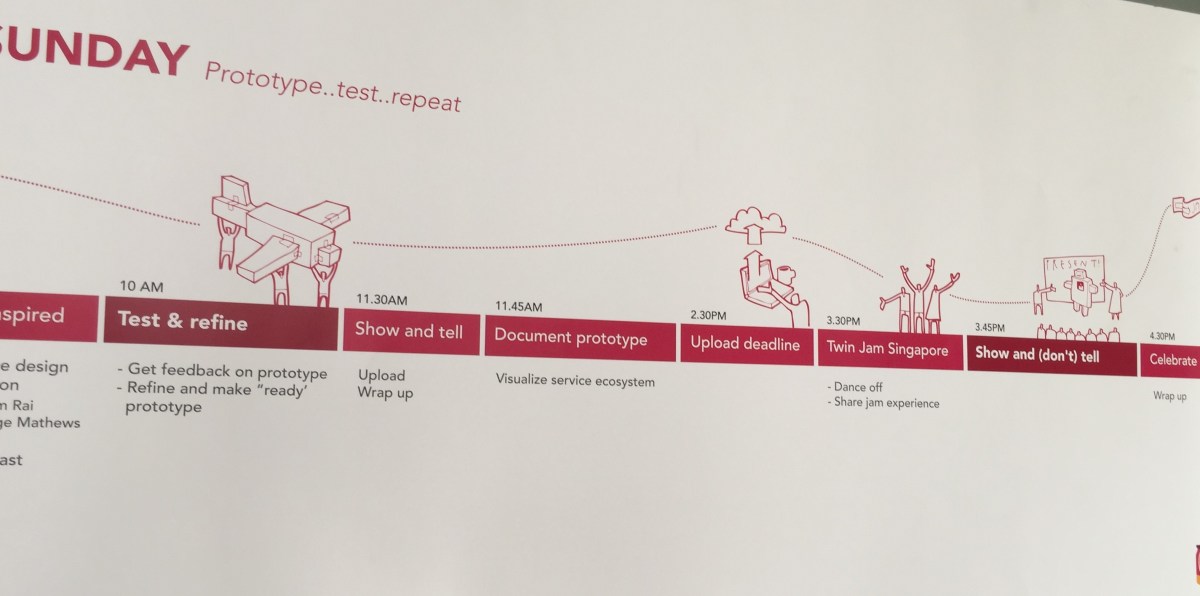
It turns out that a “Service Jam” is a bonzai event, where in 48 hours the group identifiesWhat's a Jam a need and designs a service to address that need. Many of the participants, especially the organizers and facilitators, were specialists in service design, a particular type of design focusing on designing not necessarily products to fill the need, but an entire service experience. The idea is to anticipate the many touchpoints where our clients would come in contact with our service and make sure that everything happens with an eye on fulfilling the objective.

We ended up in separate groups addressing the same question: How might we teach the masses about consent? We got to spend the whole weekend talking to some really smart and interesting people about a topic that we both are passionate about. We learned a lot about the realities of the issues of sexual consent, sexual assault, and all kinds of related issues here in India, beyond the assumptions in the headlines. For example, did you know that people will actually adjust a woman’s bra strap “for her” if it is showing? NEITHER DID WE!

Melissa was in a group, The Scary Heroic Rollercoasters, with a diverse group of peopleJam 4 with vastly differing ideas about what “consent” was referring to, from sexual consent to wedding consent to intellectual properties consent. After an at times touchy process to come to consensus, including the intellectual properties voice dropping out, The Scary Heroic Rollercoasters finally came to focus on sexual assault and designed an app that would help a woman (or man, in rare cases) deal with the moment of assault, from call for help from others in the bar, to locating counselling, to calling the police.
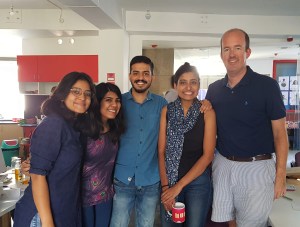
It was interesting that while Melissa’s group started with divergent ideas about what Jam 2consent refers to then focused on a single aspect, Tom’s group, The Pill Hard to Swallow, kind of went the opposite direction. They started out focused on sexual consent on Friday evening, but then on Saturday morning decided that one of the problems is that the answer “no” means nothing in India, whether it’s a sexual context or at a meal with friends. The Pill Hard to Swallow ended up designing a card game not unlike Apples to Apples or Cards Against Humanity, matching people to aggressor behaviors. Players decide how to react to those behaviors then wrote possible consequences for that response. The idea was to help people add various was to say “no” to their vocabulary and to start training people to take “no” for an answer.

The process to get there was at times super fun and super scary. We played chaoticJam 5 games to narrow the topics, stepped back frequently to make sure we were asking the right questions, and we even went out on the street to test our questions on random people. By the end, we were Jam 3able to put together presentations that were shared in the group and uploaded to the Global Service Jam’s website (though we’re having a hard time finding it – we’ll share that link if we ever locate it).

The organizers and facilitators were great. The folks running the Jam were smart, enthusiastic women who continually challenged us to stop acting and do something. That was their big idea – do it first, test it, and then figure out what the results of those tests mean. It was hard for both of us, since we’re thinkers first and doers second, but it was fun. It forced us to put aside our need to think through every possible outcome and how to account for it. We did something, then adjusted based on what actually came out of it.

After a very full weekend from 6pm Friday until 5pm on Sunday (with breaks to go home and sleep), we were exhausted, but pretty proud of ourselves. There are so many exciting things to do in this city – we need to keep getting out there to do new things!

Melissa’s Musings: Zentangling My Way to Serenity

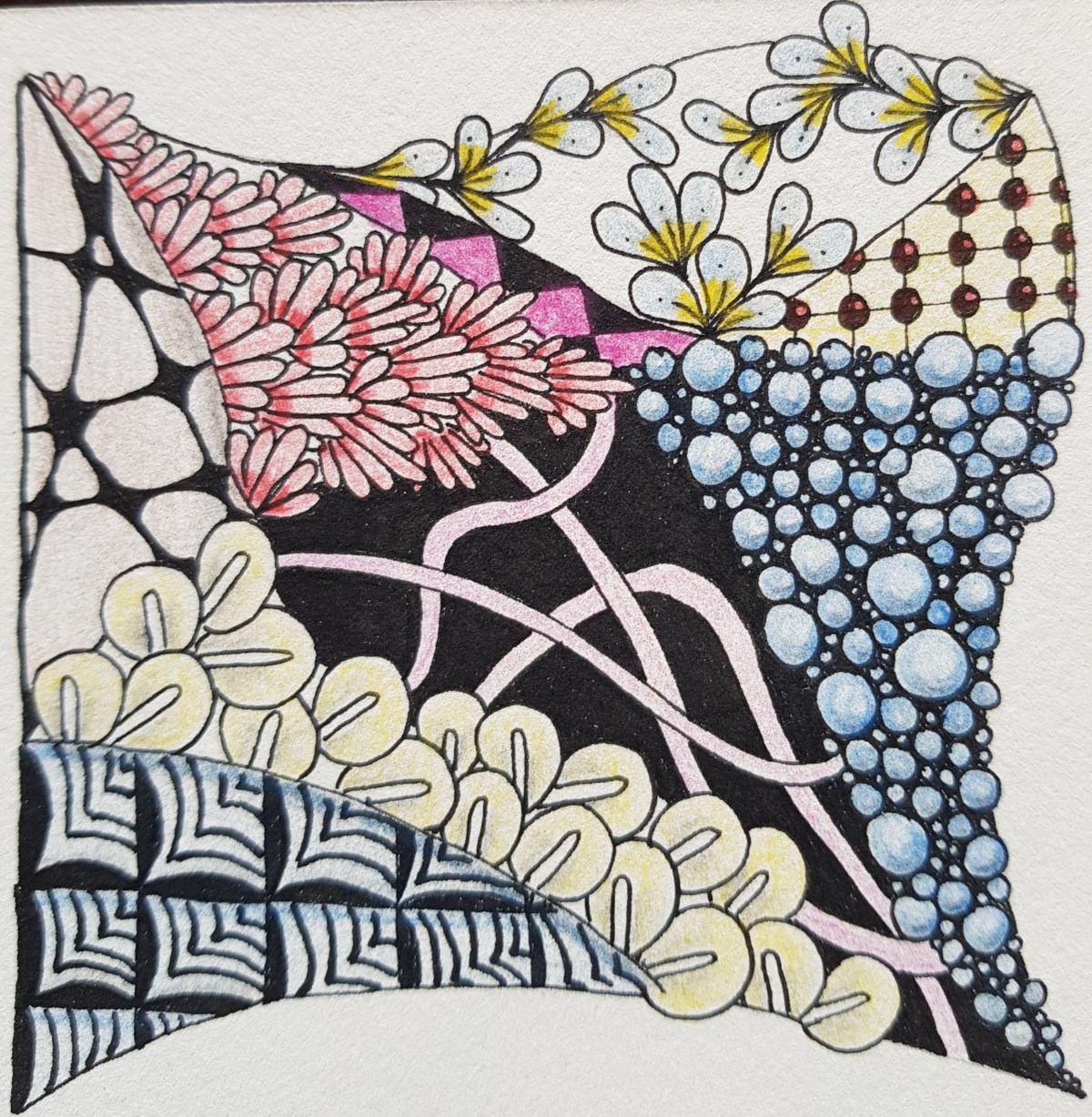
When we planned to move to India, I had this secret hope that I would discover my inner artist, and begin to create beautiful paintings or mosaics or sculptures or something. Having never before demonstrated any kind of artistic talent, I couldn’t really imagine the form it would take, but I hoped it would take form. And then we arrived with all of the chaos of adjustment. I colored in my coloring books and greatly enjoyed paint by numbers, but I was a little scared of my watercolor paints, and I couldn’t find any art classes that weren’t a 90 minute drive away from our home in far northern Bangalore. I started making peace with my lack of artistic expression (which was really making peace with my own lack of initiative) and looked for other places to put my energy. Then I found Zentangle.

If you’re not familiar with Zentangle, it’s a kind of structured, meditative doodling. It was developed by Rick and Maria Thomas. Maria was an artist, and Rick, who had practiced meditation for many years, noticed that Maria went into a meditative state when creating some of her detailed images. They realized this was something they could share with people who longed for both creativity and peace. That’s me.

When I was invited to my first Zentangle class at my friend Meredith’s house back in December, I was interested in the idea of something creative, but I was more compelled by the chance to hang out with a bunch of interesting women for a couple hours. While I thoroughly enjoyed the chatting, I was actually hooked by the Zentangling by the end of the class. I loved learning to make these tiny little patterns, and how to personalize them within the structure. At the first class, we used Christmas trees as the shape to fill since it was December.

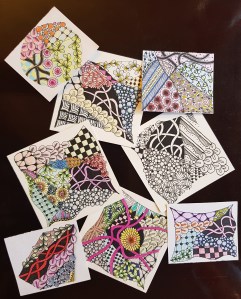
At the next class, we learned how to create our own shapes to fill, drawing random lines zentangle collection(called “strings”) onto a small card and then filling in the spaces. I began doing it all the time at home, sometimes focused in the silence, and sometimes while watching TV or listening to an audiobook. I even Zentangle when I’m out and about, carrying my special pens and a couple colored pencils in my purse most of the time, so if I find myself waiting semi-patiently for something, I can pass the time with a quick Zentangle.

When I wanted a new challenge, I sketched a landscape (loosely based on a photo of the view from Tom’s family home on Hood Canal) and Zentangled that.zentangle big

I haven’t discovered an inner artistic genius , but I have discovered a love of color and line, and a kind of satisfaction from making something all my own. More than that, I’ve found a great way to settle myself down in moments when I might otherwise be agitated or anxious. I heartily recommend Zentangle for anyone looking for a new hobby/relaxation technique that just might expand your own sense of creativity.